
PMS mood swings: why they happen and what actually helps
PMS and mood swings: why hormones hit your mood before your period, what helps, and when PMDD might be behind it.


Key takeaways
- PMS mood swings have a physical cause: after ovulation progesterone rises, oestrogen falls and serotonin drops.
- Typical PMS symptoms are irritability, low mood, inner restlessness and trouble concentrating, all easing once your period starts.
- With mild to moderate PMS, regular exercise, enough sleep, less stress and knowing your own cycle pattern often help.
- PMDD affects around 2 to 8 per cent and is a condition in its own right, with strong psychological symptoms that dominate daily life.
- If the symptoms weigh heavily on you or self-help is not enough, a gynaecology practice is the right place to go, ideally with a symptom diary covering one or two cycles.
PMS mood swings come from the hormonal shift in the second half of your cycle. After ovulation progesterone rises, oestrogen drops, and the messenger serotonin falls. That can hit your mood. Usually it is manageable. But if the symptoms weigh heavily on you, PMDD may be behind it, and that belongs in medical hands.
Contents
- Why do hormones wreck your mood before your period?
- Which emotional symptoms belong to PMS?
- When do specialists talk about PMDD?
- PMS or PMDD: what is the difference?
- What helps against PMS mood swings?
- When should you seek medical help?
- Common questions about PMS and mood
Why do hormones wreck your mood before your period?
The short version: several hormones shift in the second half of your cycle, and the effect reaches your brain. This is not imagination and not a question of willpower. It is biology.
After ovulation the luteal phase begins. Now the corpus luteum hormone progesterone rises, while oestrogen levels drop. For many people this shift throws body and mind off balance.
Serotonin matters a lot here, the messenger closely linked to mood. Its level fluctuates with the cycle. After ovulation serotonin gradually decreases, and shortly before your period it drops clearly. Less serotonin means, for many: quicker to irritate, more sensitive, lower in mood.
On top of that, the hormone prolactin rises in the second half of the cycle, which among other things makes the mammary glands swell and adds to that tender, tight feeling. Together that explains why so many feel like a different person in the days before their period.
Which emotional symptoms belong to PMS?
PMS stands for premenstrual syndrome and covers symptoms that show up regularly in the second half of the cycle and ease off again with the period. Around 20 to 30 per cent of people of childbearing age know PMS.
Alongside physical symptoms such as breast tenderness, water retention, headaches or pain in the lower abdomen, emotional symptoms are a big part of it. Typical ones:
- irritability and a shorter fuse than usual
- low mood or sadness without a reason
- mood swings that tip over fast
- inner tension or restlessness
- trouble concentrating
- less desire for company or a sense of being overwhelmed
One thing matters: with PMS these symptoms are unpleasant, but mostly manageable in daily life. If they arrive regularly in the second half of the cycle and leave again with the bleeding, that is a typical PMS pattern. A cycle calendar helps you spot it.
When do specialists talk about PMDD?
Sometimes the emotional symptoms are so strong that the word PMS no longer fits. Then premenstrual dysphoric disorder may be present, PMDD for short. It is not a bad mood and not a particularly exhausting PMS. It is a recognised condition in its own right.
With PMDD the psychological symptoms are clearly at the front and far more pronounced. That includes strong irritability, aggression, marked depressive mood, inner emptiness or the feeling of losing control. These symptoms can disrupt life severely: relationships, work, everyday routine.
PMDD is rarer than PMS and affects roughly 2 to 8 per cent of people of childbearing age. The timing is the same as with PMS: symptoms appear in the second half of the cycle and fade with the period. The difference lies in the severity and in how much they take over your life.
If you recognise yourself here, that is an important signal. PMDD responds well to treatment, but it belongs in medical hands. More on that below.
PMS or PMDD: what is the difference?
A direct comparison for quick orientation. It does not replace a diagnosis, but it helps you place what you are experiencing.
| Feature PMS PMDD | ||
| Frequency | around 20 to 30 per cent | around 2 to 8 per cent |
| Main focus | physical and emotional mixed | mainly strong emotional symptoms |
| Severity | mild to moderate, mostly manageable | severe, often dominating daily life |
| Impact | unpleasant, but handleable | massive on work, relationships, wellbeing |
| Timing | second half of the cycle, ends with the period | second half of the cycle, ends with the period |
| What to do | self-help, medical advice if needed | always get it medically checked |
The rule of thumb: what counts is not how many symptoms you have, but how much they burden you. If you regularly feel like you turn into a different person every month, take it seriously.
What helps against PMS mood swings?
With mild to moderate PMS, simple measures often get you a long way. What works best is individual, so take your time trying things out.
Movement. Regular exercise boosts serotonin production, exactly the messenger that dips before your period. You do not have to exhaust yourself. A walk, gentle jogging or yoga is often enough, ideally across the whole cycle.
Sleep and stress. Too little sleep and a lot of stress make irritability worse. In the second half of the cycle it pays to thin out your calendar a little and get enough sleep. Relaxation techniques such as breathing exercises or progressive muscle relaxation can break the loop of tension and low mood.
Food. A balanced diet does many people good. Some notice that less sugar, caffeine and alcohol helps them in this phase. Trying it costs nothing.
Know your pattern. Perhaps the most important point: if you know the days before your period are hard on you, you can prepare instead of being run over by your mood. A cycle diary makes the pattern visible and takes some of the fear out of it.
These approaches suit mild to moderate PMS well. With very severe symptoms or suspected PMDD they are often not enough, and then medical support is the right route.
When should you seek medical help?
Severe emotional symptoms before your period are not something you simply have to endure. Bring them up with a doctor if any of this applies to you:
- The mood swings weigh heavily on you or frighten you.
- They regularly disrupt your work, your relationships or your daily life.
- You feel you lose control during this time.
- Self-help such as exercise and relaxation is not enough.
- You have depressive thoughts that go beyond a passing low mood.
One important note: if you have thoughts of harming yourself, please get help immediately, for example from the German crisis helpline Telefonseelsorge on 0800 111 0 111 or at a hospital. That applies regardless of your cycle.
For a proper check, a gynaecology practice is a good first stop. It helps if you keep a symptom diary over one or two cycles, because that shows the pattern most clearly. PMDD can be treated well, among other things with approaches that act on the serotonin system, or with hormonal options. What fits you is something you work out together with your doctor.
This article is for general information and does not replace medical advice. If your symptoms are severe, unusual or persistent, please see your gynaecologist.
FAQ
Why am I so irritable before my period?
Because your hormones shift in the second half of your cycle. Progesterone rises, oestrogen falls, and serotonin, the messenger tied to mood, drops. That makes many people more irritable and more sensitive. It is a normal physical reaction, not a character flaw.
Are mood swings before your period normal?
Mild to moderate mood swings in the days before your period are common and mostly harmless. But if they weigh heavily on you or take over your daily life, get them medically checked.
What is the difference between PMS and PMDD?
PMS is premenstrual syndrome, with physical and emotional symptoms that are usually manageable. PMDD is a severe form in its own right, where strong psychological symptoms dominate and disrupt life massively. PMDD always needs a medical assessment.
How long do PMS mood swings last?
They typically appear in the second half of the cycle, so after ovulation, and fade once your period starts. If the symptoms carry on past your period or show up independently of your cycle, that points away from plain PMS.
Does exercise really help with PMS?
For many, yes. Regular exercise supports serotonin production, which drops before your period. You do not have to push yourself hard: regular, gentle movement across the cycle can already ease the symptoms.
Can the pill help with PMS mood swings?
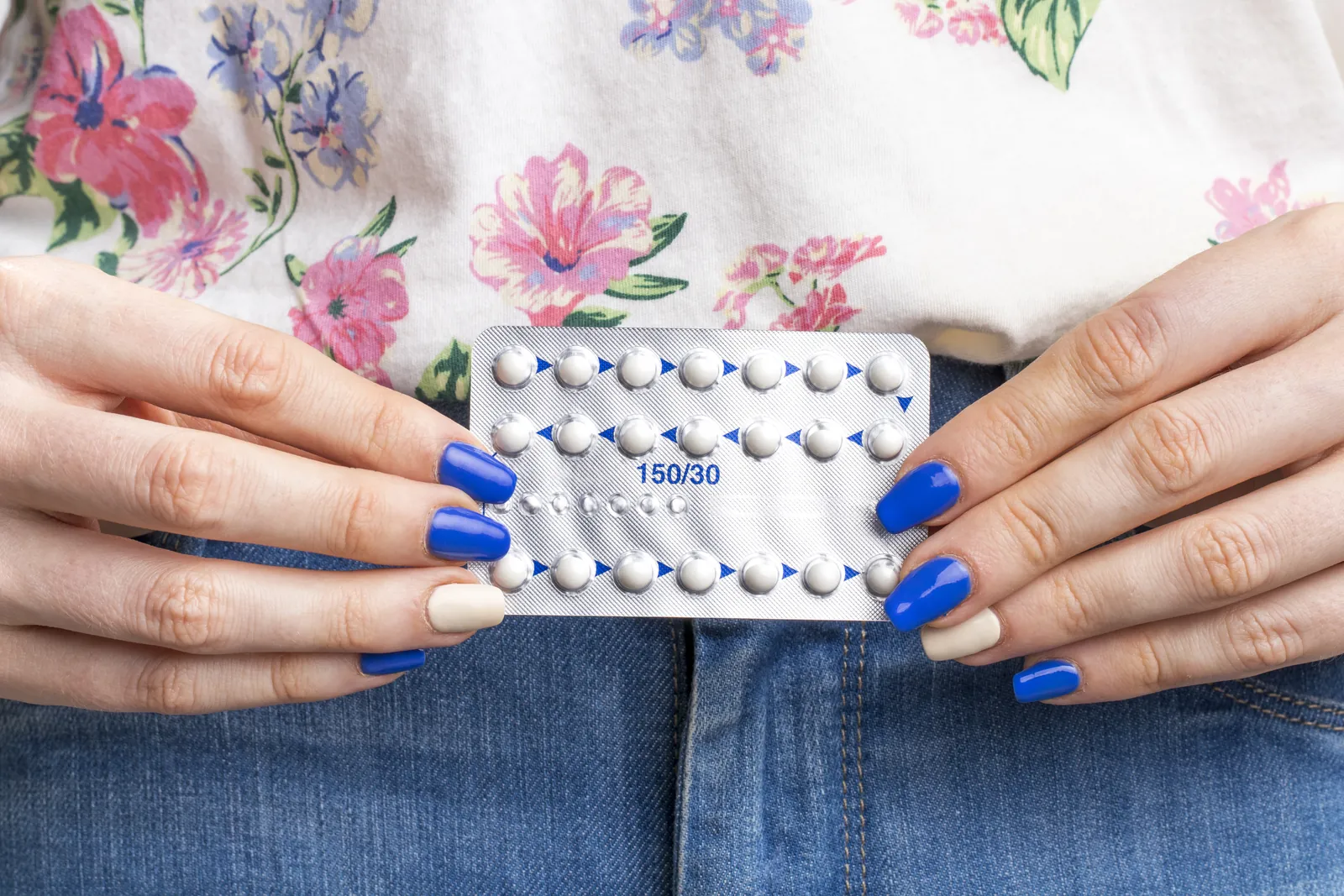
Some hormonal preparations ease symptoms, others make them worse for some people. It is very individual. Whether a hormonal option makes sense for you is best discussed at your gynaecology practice.
How do I know whether it could be PMDD?
One sign is emotional symptoms that are very strong, come back every month and clearly disrupt your life, for example work or relationships. Only a medical assessment gives you certainty, ideally with a symptom diary over one or two cycles.
Sources
- Frauenärzte im Netz (German Professional Association of Gynaecologists): Premenstrual syndrome (PMS), causes
- MSD Manual, Consumer Version: Premenstrual syndrome (PMS)
- Premenstrual syndrome and premenstrual dysphoric disorder, review of pathophysiology, diagnosis and treatment, National Library of Medicine (PMC)


Discussion
Loading comments …