
Coming off the pill: how your cycle responds
After you stop taking the pill, your cycle often needs a few months. What's normal, when ovulation and your period return, and when to see a doctor.
Key takeaways
- Once you stop the pill, your body takes back the controls. For most women the cycle settles within one to three months.
- In about half of women, ovulation and bleeding return in the first cycle, so you are fertile again immediately and need another form of contraception from day one without the pill.
- Fluctuating cycles at the start are a transition phase, not an alarm signal, and your real rhythm can fall anywhere between 21 and 35 days.
- So-called post-pill syndrome is not a recognised medical term. You don't need detoxes or hormone programmes; your body sorts this out on its own.
- If no period comes for three months, or your cycle stays very irregular over months, get it checked. Something the pill was masking may be behind it.
After you stop taking the pill, your body usually needs a few weeks to months before your natural cycle settles. In about half of women, ovulation and the period come back in the very first cycle; for others it takes longer. An irregular start is normal and rarely a reason to worry.
Contents
- What happens in your body when you stop the pill?
- How long until your cycle is normal again?
- Why is my cycle irregular after the pill?
- What is post-pill syndrome really?
- What other changes might you notice?
- Can you get pregnant straight after stopping?
- What can you do yourself to support your cycle?
- When should you see a gynaecologist?
- Common questions about your cycle after the pill
What happens in your body when you stop the pill?
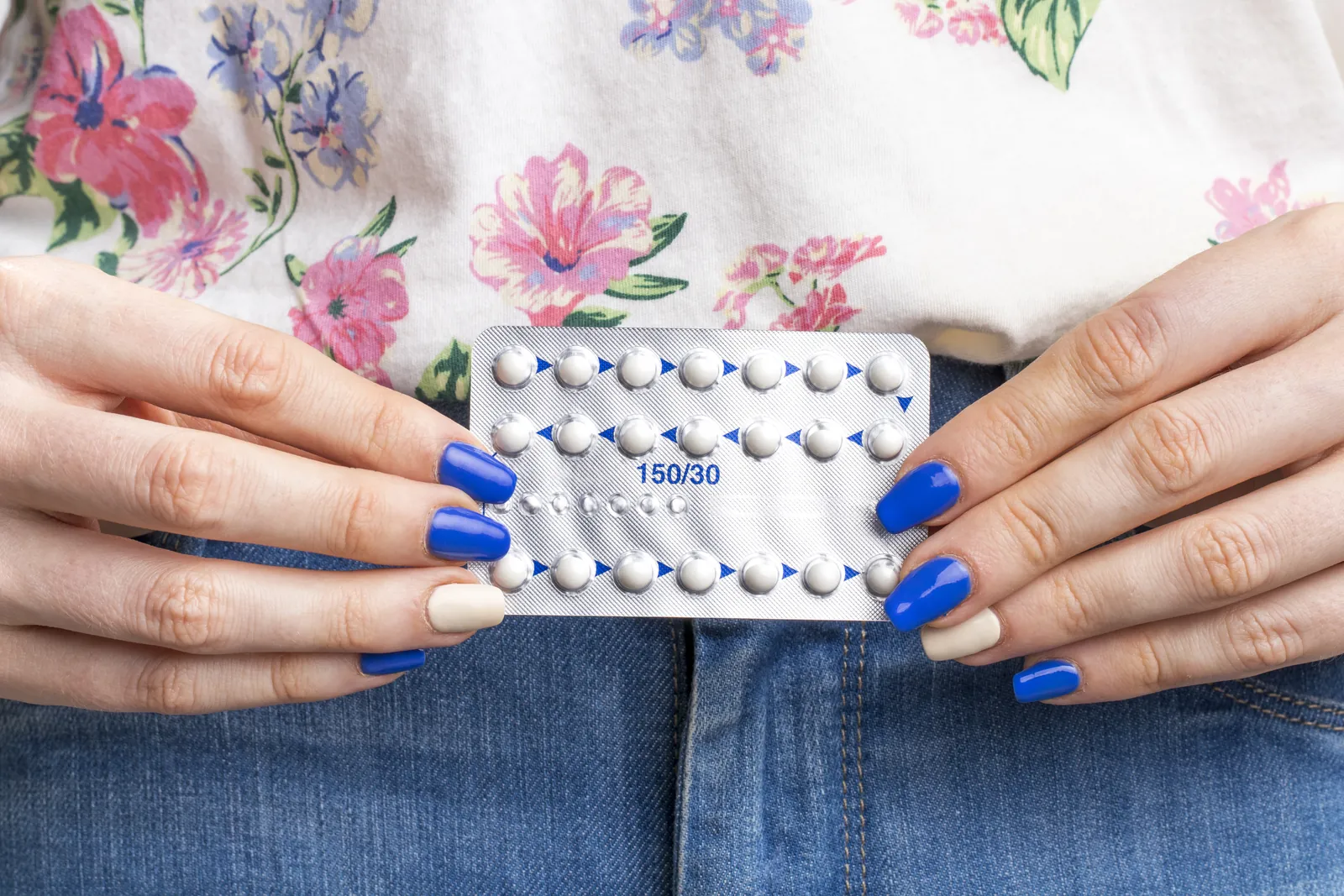
In short: your body takes back the controls. The pill supplies hormones from outside, usually a combination of oestrogen and a progestogen. These hormones suppress your ovulation and replace your real cycle with an artificial rhythm. That's why the bleed during the pill-free break is not a real period but a withdrawal bleed.
When you stop the pill, that outside hormone supply disappears. Now the hormonal axis between brain and ovaries has to pick up its work again. Brain and ovaries need to get back in sync so that an egg matures, ovulation happens and a real period follows.
This is a process, not a switch. For some women it runs smoothly right away, for others it takes a few months. Both are normal.
How long until your cycle is normal again?
For most women the cycle settles within one to three months. According to the German professional association of gynaecologists (Berufsverband der Frauenärzte), about half of women ovulate and bleed again in the first cycle after stopping. For others it takes a little longer, especially after using the pill continuously, without regular breaks.
Realistically that means: if your cycle fluctuates in the first few months, sometimes shorter, sometimes longer, that's a transition phase rather than a disorder. Many women go through two or three bumpy cycles before their own rhythm shows up.
One more thing that often causes confusion: your natural cycle does not have to be the classic 28 days. Anything between roughly 21 and 35 days counts as normal. What appears after the pill is your real rhythm, and it may never have been exactly 28 days. The pill simply faked an even beat.
Why is my cycle irregular after the pill?
Because your body is looking for its own rhythm. In the first cycles ovulation can come later than usual or skip entirely. That shifts the bleed, cycles get longer or shorter, and spotting in between can happen. All of that is normal during a changeover.
There's a second reason that often gets overlooked. Some women had an irregular cycle before the pill and were prescribed it for exactly that reason, or for heavy symptoms, blemished skin or an unsettled rhythm. The pill then masked those things for years. After stopping, the original cycle returns with all its quirks. It feels like a new side effect, but it's the old normal.
Sometimes a persistently irregular cycle has a cause that belongs in a doctor's hands, for example PCOS, a thyroid problem or the start of the menopause transition. That's why it pays to watch your body for a while and get advice if something unusual keeps up.
What is post-pill syndrome really?
The term post-pill syndrome gets used a lot online, but it's not an officially recognised medical term. It usually describes a collection of complaints that can show up in the first months after stopping: blemished skin, mood swings, a missing period.
The best described part of it is post-pill amenorrhoea, meaning the absence of bleeding after stopping. In most cases the cycle returns on its own within a few months. Only rarely does the period stay away longer than six to nine months, and then there's often another cause behind it that the pill had been masking.
The honest framing matters: much of what gets lumped under post-pill syndrome is a normal adjustment phase that sorts itself out. You don't need a detox or expensive programmes to cleanse your hormones. Your body can do this itself. What it mainly needs is time.
What other changes might you notice?
Besides the cycle itself, other things can shift once the synthetic hormones are gone. Not every woman notices this, and nothing like all of it happens at once. Commonly reported:
- Skin: if you also took the pill for blemished skin, your skin can get temporarily worse, often around two to four months after stopping.
- Breasts: tenderness before your period can return, because your own hormone pattern kicks in again.
- Mood and libido: some women feel more balanced or notice more desire, others get stronger mood swings across the cycle.
- PMS: premenstrual syndrome can appear for the first time or change, because you now have a real ovulation and a real luteal phase again.
- Your bleed: your period can be different from how you remember it, heavier or lighter, shorter or longer.
Most of this is not an alarm signal but a sign that your natural hormone balance is picking up speed again. If a change weighs heavily on you, it is still worth a medical appointment.
Can you get pregnant straight after stopping?
Yes, and this matters. Because ovulation can return in the first cycle, you are fertile again right after stopping. You can't rely on a missing period as a signal, since ovulation happens before the bleed. So you can get pregnant before you've even had your first natural period.
If you don't want to conceive, plan for another method from day one without the pill, condoms for example. And the worry that the pill causes lasting infertility has no medical evidence behind it. Fertility usually returns after stopping, and most women trying to conceive get pregnant within a year.
What can you do yourself to support your cycle?
First of all: you don't have to do anything special for your cycle to come back. Your body handles that by itself. But a few things help you go through the change more calmly and get to know your rhythm.
Track your cycle. Note your bleeding days, any spotting and how you feel, in a cycle app or on paper. You'll spot your own pattern early and have something concrete to bring to an appointment if needed.
Look after the basics. Enough sleep, regular meals, movement and a way of handling stress that suits you all help your hormone system settle. Heavy ongoing stress and very strict diets, on the other hand, can throw the cycle off even more. Be patient with yourself. A few irregular cycles are not a setback, they are part of the way back to your own rhythm.
When should you see a gynaecologist?
A good rule of thumb: if no period arrives for about three months after stopping, get it checked. The same goes if your cycle still swings wildly after several months, if your bleeds are very heavy or very painful, or if side issues such as marked skin problems or low moods are weighing on you.
The point isn't panic, it's clarity. If the cycle stays away for good, there may be a cause behind it that the pill had covered up, such as PCOS, a thyroid problem or another hormonal issue. These can be investigated and treated well, and the earlier the better. If you want to get pregnant and it takes longer after stopping, medical advice makes sense anyway.
This article is for general information and does not replace medical advice. If your symptoms are severe, unusual or persistent, please contact your gynaecologist.
FAQ
How long is your cycle irregular after stopping the pill?
For most women the cycle settles within one to three months. A few fluctuating cycles at the start are normal. If your cycle is still very irregular after several months, book an appointment.
Do I have to finish the pack or can I stop mid-blister?
Medically speaking, you can stop the pill at any time. Many women finish the open pack for practical reasons, so the withdrawal bleed stays predictable. It isn't compulsory. It's best to have a quick word with your gynaecologist, especially if you take the pill for a specific reason.
Why do I have no period after stopping the pill?
Your body sometimes needs a while before ovulation and menstruation get going again. Usually this sorts itself out within a few months. If no period comes for three months, get it checked, because another cause may be behind it.
Will my acne come back after stopping?
It can, especially if you also took the pill for blemished skin. Your skin can get temporarily worse a few months after stopping. For many women it calms down again once the hormone balance has settled. If it persists, dermatological advice helps.
Does the pill cause long-term infertility?
No, there is no medical evidence for that. Fertility usually returns after stopping. If conceiving takes longer, other factors are normally involved rather than your earlier pill use.
Do I need a hormone programme or a detox after the pill?
No. Your body clears the pill's hormones on its own and picks up its own rhythm again. Special detox programmes aren't needed for that. Good sleep, balanced meals, movement and a bit of patience are more useful.
Can I get pregnant right after stopping?
Yes. Ovulation can happen in the first cycle after stopping, often before your first period arrives. If you don't want to conceive, use another method from day one without the pill, condoms for instance.

Discussion
Loading comments …