
Home remedies for period pain, fact-checked: heat, ginger and the rest
Home remedies for period pain, fact-checked: what do studies actually support? An honest look at heat, movement, ginger, magnesium and tea.

Key takeaways
- Heat and movement are the best documented home remedies for period pain: in studies pain intensity dropped clearly, and for movement the evidence comes from a Cochrane review.
- Ginger inhibits the formation of prostaglandins and can reduce pain in primary dysmenorrhoea, though Cochrane rates the quality of the evidence as low.
- Magnesium has mixed evidence, but nuts, oats, pulses and dark chocolate make it worth a try anyway.
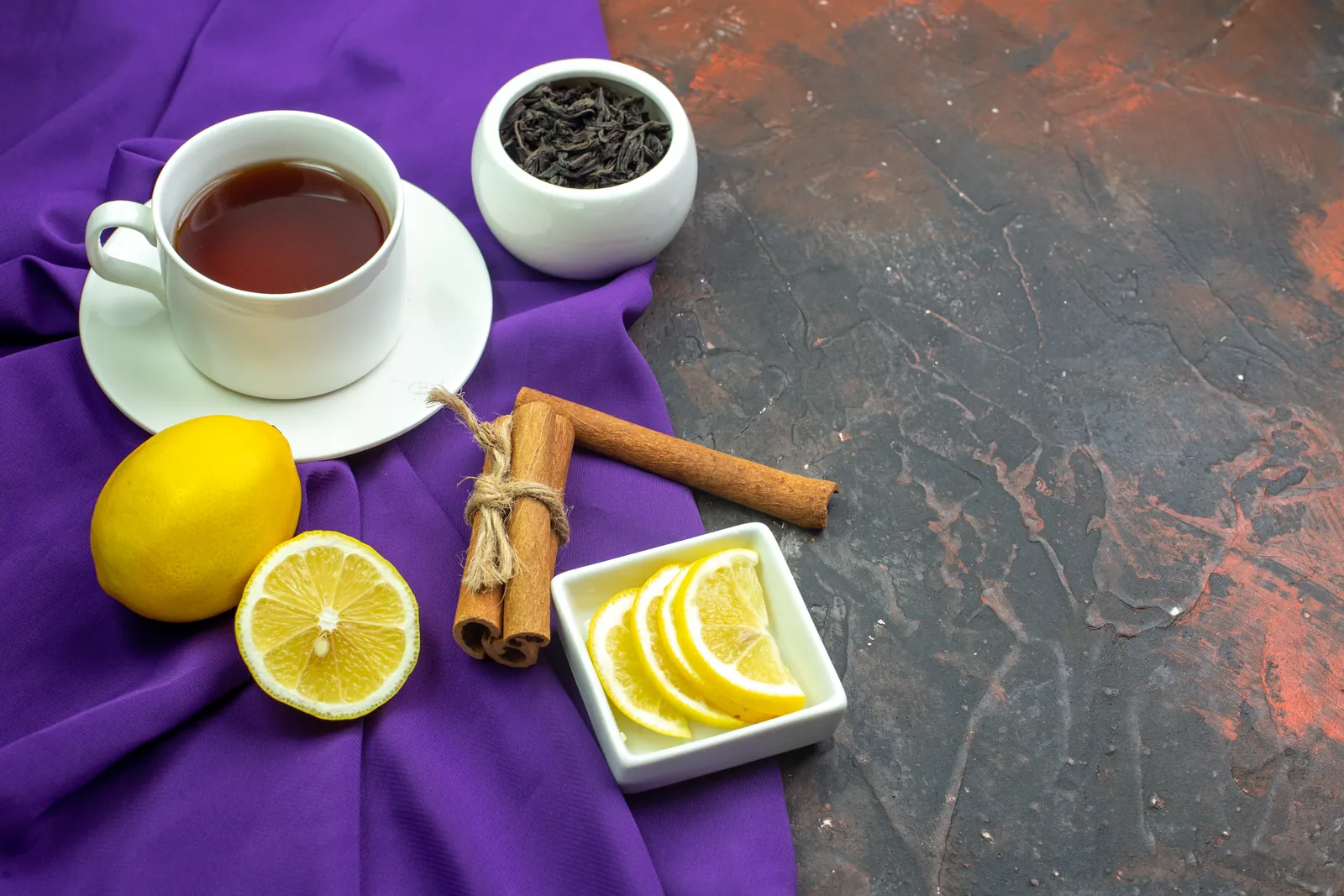
- Chamomile and cinnamon are barely documented, though as a warm break they do no harm.
- If pain regularly knocks you out of your daily routine, home remedies are not enough: get it checked medically.
The best home remedies for period pain are heat and movement: both have the most solid evidence behind them. Ginger and enough magnesium can help too; the evidence there is weaker, but promising. With herbal teas, the effect is barely documented, though they do no harm. Here is the honest fact check.
Contents
- How good are home remedies for period pain really?
- Does heat help with period pain?
- Does movement help with period pain?
- Does ginger help with period pain?
- Does magnesium help with period pain?
- Do herbal teas like chamomile and cinnamon help?
- Do relaxation and breathing exercises help?
- The remedies at a glance: how strong is the evidence?
- Common questions about home remedies for period pain
How good are home remedies for period pain really?
Short answer: it varies a lot, and that is exactly the point. Dozens of tips circulate around period pain, from the hot water bottle to the herbal tea from an old family recipe. Some are well studied, others rest more on experience than on research.
An honest look matters here. A home remedy does not need ten studies behind it to help you. And even well documented remedies do not work the same for everyone. For the most common remedies we sort out what the science says, so you know what you can rely on and what is simply worth a try.
One note first: this article is about mild to moderate period pain. If pain regularly knocks you out of your daily routine, it needs a medical check. You will find more on that in the linked articles at the end.
Does heat help with period pain?
Yes, and the evidence is genuinely good. Heat is one of the best studied home remedies for period pain. In studies, participants wore heat patches or heat belts for several hours and reported clearly less pain. In some trials the effect was strong enough to keep up with common painkillers.
The reason is simple: heat relaxes the muscle of the uterus and improves blood flow. Both work against the cramping contractions that cause the pain.
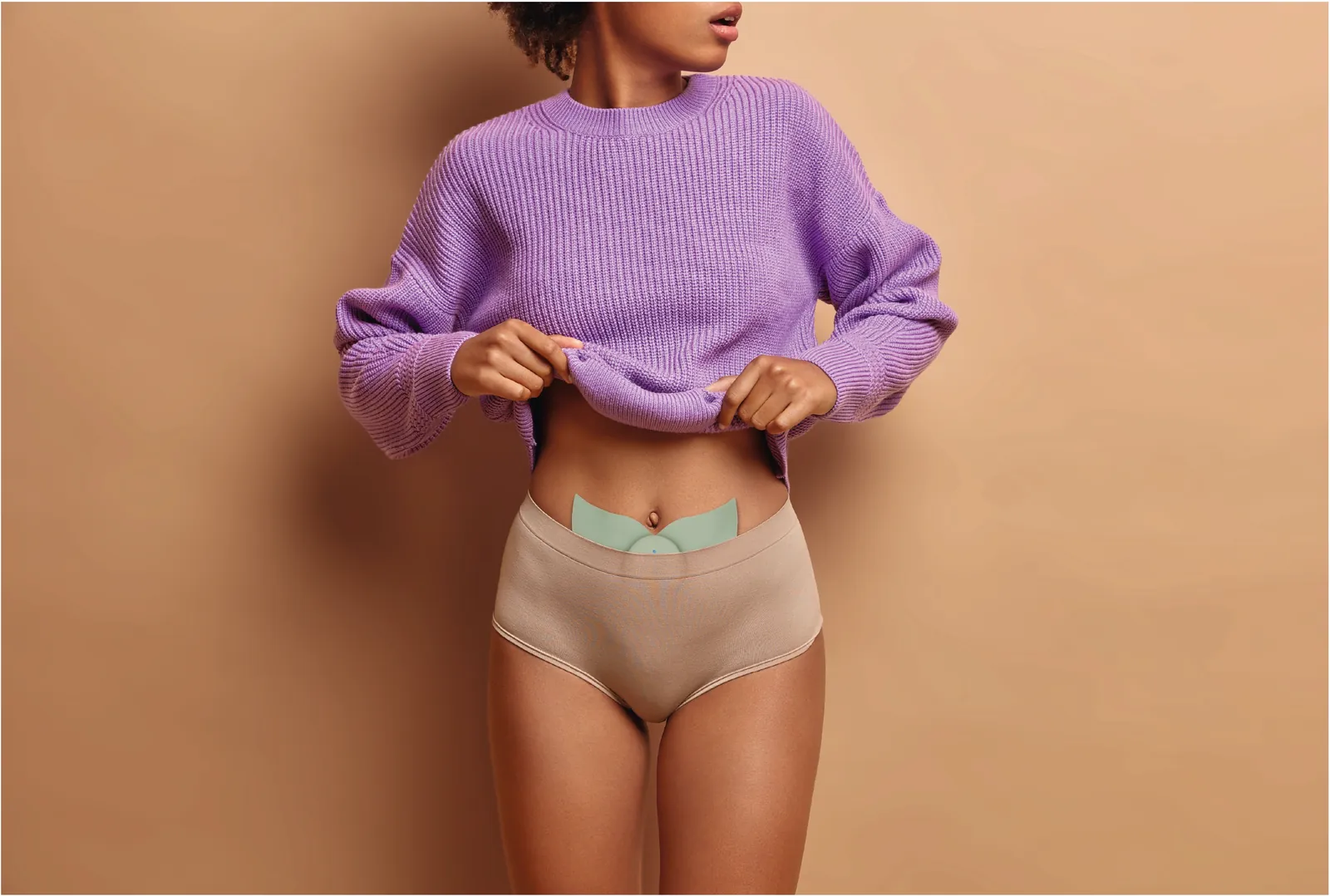
In practice that means: a hot water bottle, a grain pillow, a warm bath or a self-adhesive heat patch you wear under your clothes. The patch has the advantage that you can move around freely with it. Heat is our clear favourite among the home remedies, because it works well, costs nothing and has practically no downsides.
Does movement help with period pain?
Yes. A Cochrane review, one of the most reliable ways of summarising research, looked at exercise for period pain. The conclusion: exercise can lower pain intensity considerably, whether gentle like yoga or more intense like aerobics.
The researchers point out that the quality of the individual studies was low, mostly because of small participant numbers. Even so, the pain reduction in the studies was large enough to matter noticeably for the women affected.
In most trials the women exercised about three times a week for 45 to 60 minutes. So you do not have to push yourself hard during your period. It is more about regular movement across the whole cycle. If you feel like resting on heavy days, that is completely fine. On other days a walk, gentle yoga or light jogging can work preventively.
Does ginger help with period pain?
Probably yes, the research looks promising. Several randomised trials have compared ginger with a placebo. A summary of those trials concluded that ginger can noticeably reduce pain in primary dysmenorrhoea.
The mechanism is interesting, because it shows why ginger is not just a feel-good remedy: ginger inhibits the formation of prostaglandins. Those are exactly the messengers that trigger the painful contractions of the uterus. Ginger therefore acts at a similar point as some painkillers, only more weakly.
The caveat: a Cochrane assessment rates the quality of the evidence as low. The direction is right, but more good studies are needed. In the trials ginger was usually taken during the first three to four days of the period, often as powder in capsules. As a tea made from fresh ginger the dose is harder to pin down, but it is worth a try.
Does magnesium help with period pain?
Possibly yes, above all at a sufficient dose. Magnesium is involved in muscle relaxation, and some studies suggest it can ease period pain. The research is mixed; clear, strong proof is missing.
Still, there is little reason not to try it, not least because magnesium matters for your body anyway. You can start with food: magnesium-rich options like nuts, oats, pulses and dark chocolate. Whether a supplement makes sense is best discussed at your doctor's practice or pharmacy, especially if you take other medication.
Do herbal teas like chamomile and cinnamon help?
Here the evidence gets thin, though not worthless. For chamomile there are isolated signs that its components might have antispasmodic and anti-inflammatory effects. Solid, large studies showing a clear effect against period pain are missing, however. What is well documented: chamomile can have a calming effect and support sleep, which is also pleasant on painful days.
For cinnamon there are single studies in which it reduced pain and accompanying symptoms in primary dysmenorrhoea. The same applies here: interesting, but not yet sufficiently proven.
Our honest verdict on teas: they are no miracle cure, and you should not expect a cup to act like a painkiller. But a warm tea combines two pleasant things, heat and a short break. For that reason alone, go ahead if it does you good.
Do relaxation and breathing exercises help?
Yes, this one is worth a look. In a study with young women with primary dysmenorrhoea, practising relaxation and breathing techniques regularly, such as progressive muscle relaxation and deep belly breathing, led to less menstrual pain.
That makes sense, because tension and pain feed each other. Relaxing deliberately can break that cycle. The upside: breathing exercises cost nothing, have no side effects and you can do them anywhere. On their own they usually are not enough for severe pain, but as an addition they make sense.
The remedies at a glance: how strong is the evidence?
A quick guide to how well the common home remedies are supported:
| Remedy Evidence Short verdict | ||
| Heat | well documented | Clear favourite, can come close to painkillers |
| Movement | well documented (Cochrane) | Clear pain reduction, best done regularly |
| Ginger | promising, low quality | Inhibits prostaglandins, worth a try |
| Magnesium | mixed | Makes most sense through food |
| Relaxation | single studies | Good addition, no side effects |
| Chamomile, cinnamon | barely documented | Pleasant, but no substitute for what works |
This overview helps you set your expectations. Start with the well documented options, heat and movement, then add whatever feels right.
This article is for general information and does not replace medical advice. If your symptoms are severe, unusual or persistent, please speak to your gynaecologist.
FAQ
What works fastest for period pain?
Heat works fastest for many people, for example a hot water bottle or a heat patch. Gentle movement can loosen cramps on top of that. If home remedies are not enough, anti-inflammatory painkillers can help, ideally taken early.
Which home remedy for period pain has the best evidence?
Heat and movement have the most solid evidence. For both there are studies showing a clear reduction in pain. For movement the evidence even comes from a Cochrane review.
How do I take ginger for period pain?
In studies ginger was usually taken as powder in capsules during the first three to four days of the period. As fresh ginger tea the dose is harder to pin down, but trying it does no harm as long as ginger agrees with you.
Can I combine home remedies with painkillers?
Usually yes. Heat, movement or tea can generally be combined with painkillers. If you need medication regularly or have existing conditions, check the combination at your doctor's practice or pharmacy first.
Do home remedies also help with very severe period pain?
With very severe pain, home remedies often hit their limits. If pain regularly floors you or common medication barely helps, those are warning signs. Then have your symptoms checked medically instead of only trying home remedies.
Is heat or cold better for period pain?
Heat is the better choice for period pain. It relaxes the muscles and improves blood flow. Cold can make sense for other types of pain, but with cramping period pain most people reach for the hot water bottle, and rightly so.
Do I have to skip exercise during my period?
No. Gentle movement can even ease period pain. You do not need to push hard; a walk or light yoga is often enough. On very heavy days you can of course simply rest, whatever feels right for you.

Discussion
Loading comments …